Reinvention Does Not Ask Permission
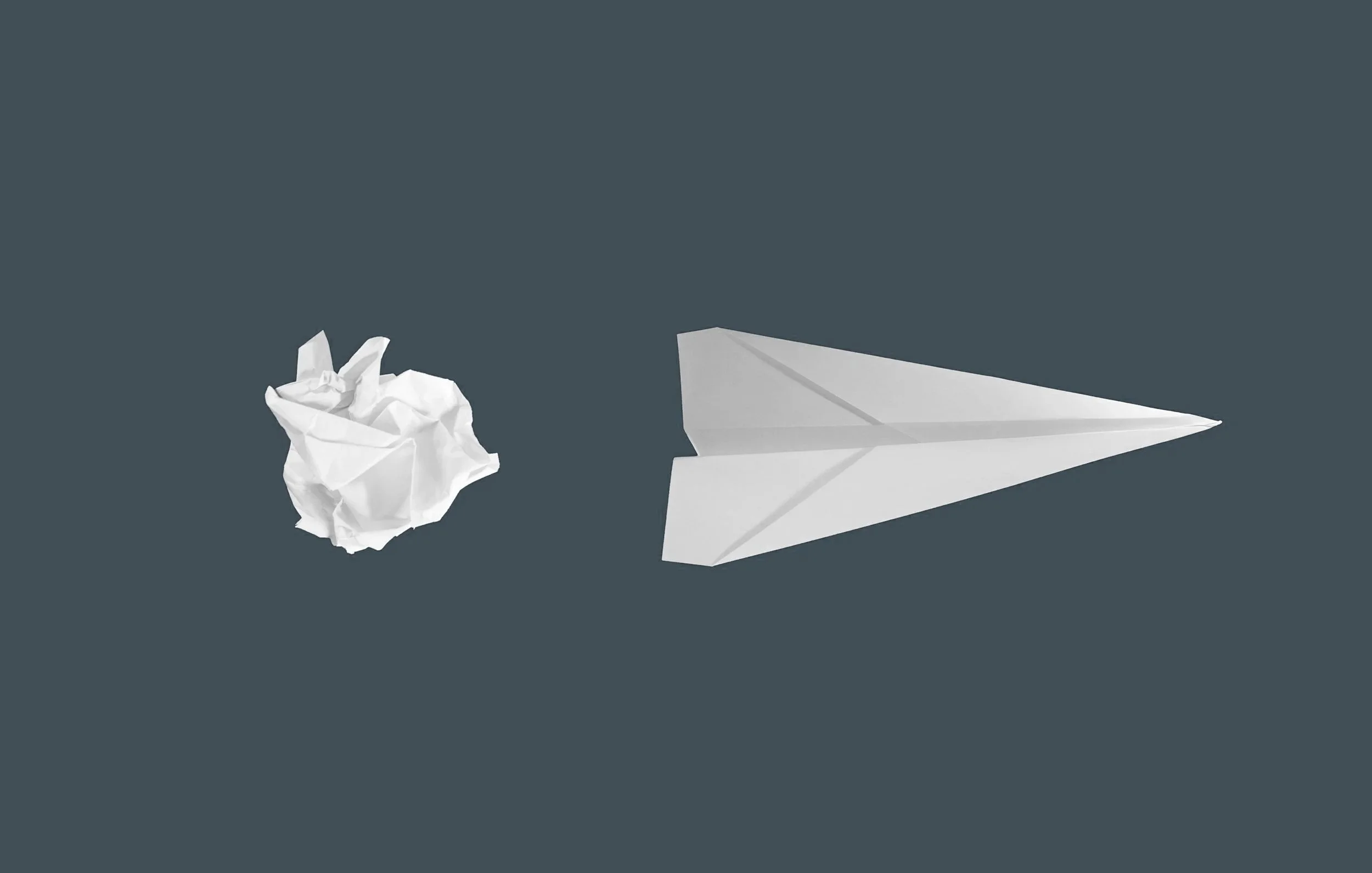
I’ve met people who talk about reinvention as if it’s a polite guest — something that arrives at the perfect time, waits patiently to be welcomed in, and only settles down when everything feels ready.
But the need for reinvention usually isn’t that gentle.
It doesn’t check your calendar. It doesn’t wait for the “right moment.” More often than not, it arrives unexpectedly, interrupts your plans, and asks you to grow before you feel prepared.
It arrives when the industry you trained for begins to shrink. It arrives when you are forty-three and sitting in a lecture hall surrounded by twenty-two-year-olds. It arrives when the world changes faster than the plan you made five years ago, and you realise it no longer leads anywhere.
The question is not whether the need for reinvention will find you. It will. The question is whether you will be ready to move when it does.
The myth of perfect timing
Most of us were raised to believe in sequence. Study, then work, then build, then rest. A neat, linear life. But the world we live in now does not respect that sequence. Technologies emerge overnight. Entire industries are restructured in the span of a few years. The idea that you can prepare once and remain prepared for the next three decades is, frankly, a fantasy.
I know this because I lived it. I did not arrive at the starting line early. I did not have a coach handing me the right playbook at fifteen. I learnt things late, and some of them I am still learning. That does not make the journey less valid. It makes the urgency greater.
If you are waiting for the right time to change direction, let me save you some trouble: the right time was earlier, and the next best time is now.
Evolution versus revolution
In What the Future Knows About the Past, I draw a distinction between evolution and revolution in the context of personal journeys. Evolution is adjusting as things change — staying current, picking up new skills as the landscape shifts, making small corrections before the road gets too long. It is manageable. It is what we should all be doing continuously.
But there comes a point when evolution is no longer possible. When someone has missed several chances to adapt — not necessarily out of laziness, but perhaps because no one pointed out the signs — small adjustments are no longer enough; at that point, what is needed is not a gentle course correction. It is a revolution.
A revolution is drastic. It is a forty-five-year-old going back to university. It is someone leaving a career they have spent two decades building to start from the bottom of something else entirely. It is uncomfortable, and it should be. Comfort is what got them stuck in the first place.
Have you ever seen someone make a change that drastic and succeed? I have. What they all have in common is not talent. It is honesty. They were honest enough to admit where they were, brave enough to admit where they were heading, and disciplined enough to act on the difference.

Reinvention is not a single event.
One of the biggest mistakes I see — and one I made myself — is treating reinvention as a one-time act. You change career, you retrain, you rebuild, and then you assume you are finished. You are not. The world does not stop evolving because you caught up once.
In a single lifetime, most of us will need to reinvent ourselves several times. That is not a failure. It is the nature of a world that changes faster than any single plan can accommodate. The person who understands this is not anxious about it. They build habits that allow them to spot the next shift before it arrives.
This is why I write about trends, about discipline, about staying close to the information that shapes your industry. Not because I enjoy being busy, but because the alternative — waking up one day to find that the ground has shifted beneath you — is far worse.
What this means for you
If you are reading this and recognising yourself — the person who knows something needs to change but has not started — I am not here to judge. I have been where you are. Many of us have. But I will say this: the longer you wait, the more drastic the change will need to be.
Start with those three questions. Write the answers down. Be ruthless with yourself. Then take one action in the next seven days. Not a plan. Not a vision board. An action.
Reinvention does not wait for permission. Neither should you.
This article draws on themes explored in* What the Future Knows About the Past*, now in its Third Edition. If you are navigating a career change or a late start and want to talk it through, you can book a conversation or explore more articles on shaping your future.